
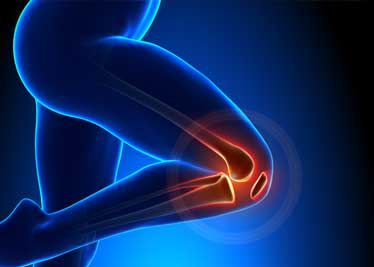
The tendons, ligaments, muscles, and bones surrounding the knee are susceptible to injury and structural damage. If conservative treatments fail to treat your knee pain, you can explore various surgical options. Chronic knee pain can make your life more stressful, which is why some patients opt for knee surgery.
Signs That You Require Knee Surgery
In most cases, knee injury and damage respond well to conservative treatments like medications, cortisone injections, prolotherapy, and physical therapy. However, look out for the symptoms below that indicate the need for additional medical intervention.
Intense and Frequent Pain
It is not normal to feel intense, disabling, and frequent knee pain. See a doctor if the pain lasts for weeks or keeps you awake at night. If you need pain medication to go through your day, it may be time for knee surgery. Sometimes, your knee pain may get worse in cold or humid weather.
Limited Mobility
You may be a candidate for knee surgery if you have trouble walking the stairs, walking, or standing up from a chair. Chronic pain makes it challenging to complete the activities you could previously perform with ease, such as climbing out of the bathtub or picking up your kids.
Worsening Arthritis
Many people with chronic knee pain have osteoarthritis or rheumatoid arthritis, which causes loss of motion, pain, and loss of cartilage. You may need knee surgery to replace the damaged structures.
Ineffectiveness of Non-Surgical Options
Home remedies like an ice pack and hot baths may relieve mild knee pain. If the pain persists, your physician may recommend medication, weight loss, cortisone injections, and other interventions that provide relief. However, if your mobility continues to decline, it may be time for knee surgery.
Types of Knee Surgery
Arthroscopic surgery is the most common knee surgery, where a surgeon uses tiny instruments to repair cartilage and remove loose fragments. This minimally invasive surgery remedies many kinds of knee problems.
If the joint cartilage has severely degenerated, your surgeon may recommend a knee replacement operation. During the procedure, the surgeon replaces the degenerated areas of the knee joint with metal, plastic, and ceramic parts.
Prolotherapy: A Non-Surgical Alternative to Knee Surgery
Before committing to knee surgery, many patients benefit from a consultation with Dr. Albert Franchi at Boston Prolotherapy and Orthopedics in Stoneham, MA. Dr. Franchi has practiced orthopedic medicine for over 40 years and has treated knee pain with prolotherapy for more than 20 years – with an 85% success rate for cases involving arthritis, ligament instability, and tendon damage.
Prolotherapy works by injecting a dextrose solution into wherever the tear in damaged ligament or tendon happens to be, triggering the body’s natural collagen-production response. The result is a structurally stronger, more stable joint – without surgery, general anesthesia, or lengthy rehabilitation.
Conditions where prolotherapy can help you avoid knee surgery:
- Knee osteoarthritis causing chronic pain and stiffness
- MCL (medial collateral ligament) laxity or partial tears
- Patellar tendon injuries
- Joint instability from ligament laxity
- Underlying arthritis misdiagnosed as a meniscus tear
When prolotherapy is not the right answer:
-
- Complete ACL tears (the ACL is too deep to inject reliably)
- Most meniscus tears (except peripheral tears)
- Cases requiring structural replacement of severely degenerated cartilage
Dr. Franchi evaluates each patient individually and will tell you honestly whether prolotherapy is likely to help – or whether surgery is genuinely the better path. A complimentary phone consultation takes 10–15 minutes and gives you a clear picture of your options before making any surgical decision.
Call 833-Go-Prolo (833-467-7656) or 781-299-7521. Boston Prolotherapy and Orthopedics, 92 Montvale Avenue, Suite 4650, Stoneham, MA. Serving patients from Boston, Newton, Waltham, Burlington, Woburn, and surrounding communities.